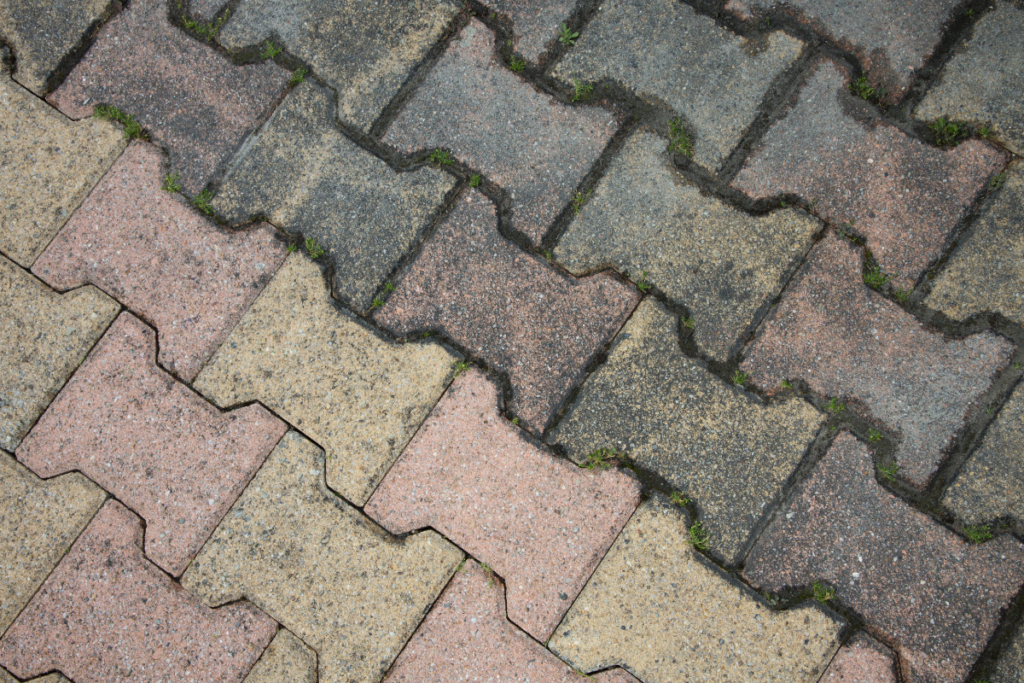
Sandstone is a popular choice across Australia for patios, pathways, pool surrounds, retaining walls, and other exterior surfaces due to its natural beauty and timeless appeal. However, sandstone is porous, which means it easily absorbs water, dirt and stains. This makes regular cleaning essential if you want to keep your sandstone looking its best.
Pressure washing can be an effective way to clean sandstone, but only when it is done correctly. Using the wrong pressure, nozzle, cleaning products or cleaning methods can damage the surface or etch the stone. In this guide, you will learn how to clean sandstone safely, how to remove common stains, how to rinse and dry the stone properly, and how to seal sandstone so you can protect it from future damage. These expert tips apply to sandstone pavers, sandstone tiles and other natural stone surfaces in outdoor settings.
Why Sandstone Needs Special Care When Cleaning
Sandstone is Porous
Australian sandstone is a porous stone. This means water and dirt can easily move into the stone. When dirt and grime get lodged inside the sandstone surface, stains form and the stone starts to look patchy or discoloured. Sandstone also absorbs cleaning products. Harsh chemicals or acidic cleaners can damage the stone’s natural surface and leave permanent marks.
Common Issues on Sandstone Surfaces
When exposed to weather and moisture, it often develops:
- Moss
- Algae
- Mould
- Organic stains
- Bird droppings stains
- Oil spots or greasy marks
- Rust or mineral discolouration
Without regular cleaning and sealing, these stains become harder to remove.
How Weather Affects Sandstone in Australia
Rain, heat and coastal air all impact sandstone differently. Coastal surfaces often need more frequent cleaning because salt encourages the growth of algae and mould. Hot regions can cause sandstone to dry too quickly while cleaning, which may lead to streaks. Understanding your climate will help determine how often you should clean your sandstone.
How to Clean Sandstone Safely with a Pressure Washer
Pressure washing is effective when done with care. The key is to avoid using high pressure that can damage the stone.
Choosing the Right Pressure
- Soft sandstone: 1000 to 1500 PSI is usually enough to clean without damaging the stone
- Harder sandstone: Up to 2500 PSI can be suitable in some cases
- Always start at the lowest pressure and test a small section first
Nozzle and Equipment Tips
- Use a wide fan spray tip so pressure is spread evenly
- Avoid narrow jet nozzles because they can etch or damage sandstone
- A garden hose is useful for initial wetting and a gentle rinse
- Use a soft brush or broom to gently scrub stubborn areas
Test Before Cleaning the Full Area
Before beginning the cleaning process, always test:
- Water pressure
- Cleaning solution
- Scrubbing motion
Test on a small hidden area to ensure your solution is safe and will not damage the stone.
Step-by-Step Guide: How to Clean Your Sandstone
1. Prepare the Surface
- Sweep the sandstone paving or patio with a broom to remove loose dirt and debris.
- Wet the sandstone with clean water to prevent your cleaning agent from absorbing too quickly.
2. Choose a Suitable Cleaning Solution
Use a mild detergent, dish soap, or a cleaner specifically designed for sandstone. Avoid using acidic or abrasive cleaners because they can damage the stone’s natural surface.
For organic stains, a diluted bleach solution or pool chlorine can be used, but only with extreme caution. Let it sit briefly before rinsing, and never allow it to dry into the stone.
3. Gently Scrub the Stone
Use a soft brush to gently scrub the sandstone surface. This loosens dirt without scratching the stone.
4. Pressure Wash with Care
- Maintain a minimum distance of 300mm between the nozzle and the stone
- Use slow, sweeping movements
- Do not hold the spray in one place because it can etch the stone
5. Rinse Thoroughly
Use clean water to remove all soap or cleaning solution. Rinse thoroughly to prevent residue stains.
6. Allow the Stone to Dry Fully
Let the sandstone dry completely before applying a sealant. This ensures the sealant absorbs properly and provides long-lasting stone protection.
Common Sandstone Stains and How to Remove Them
| Stain Type | Best Removal Method |
| Moss or algae | Mild detergent solution and gentle scrub |
| Mould growth | Diluted bleach solution, short contact time |
| Organic stains (leaves, bird droppings) | Warm water, mild detergent and a soft brush |
| Oil stains | Degreaser designed for natural stone |
| Rust stains | Stone-safe rust remover or poultice paste |
Always avoid using harsh chemicals not specifically designed for sandstone. These can damage the stone and make stains worse.
How to Seal and Protect Your Sandstone After Cleaning
Sealing sandstone is one of the best ways to protect your sandstone surfaces and reduce future staining. A good sealant prevents water absorption, slows the growth of organic buildup and makes regular cleaning easier.
Choosing the Right Sealant
Select a sealant that is:
- Specifically designed for sandstone
- Suitable for exterior surfaces
- Non-acidic
- UV resistant
How to Apply Sealant
- Allow the sandstone to fully dry
- Apply sealant evenly using a sprayer or roller
- Let it absorb, then apply a second coat if required
- Avoid using the area until the surface is fully dry
For patios, pool surrounds and high-use walkways, resealing every 2 to 5 years is recommended depending on climate.
Keep Your Sandstone Looking Its Best
Cleaning and maintaining sandstone does not need to be complicated. With the right cleaning products, proper washing technique and regular sealing, your sandstone will continue to look natural, elegant and clean for years.
If you would prefer to have a professional sandstone cleaning service to ensure your sandstone is protected and safely cleaned, get in touch with us.
Request a free quote from The Pressure Cleaning Guys.
Our team of experts use the right pressure cleaning methods and solutions to restore your stone’s natural beauty without causing damage.
FAQs
What is the best way to clean sandstone?
The best way to clean sandstone is to use a mild detergent, warm water and a soft brush, followed by low-pressure rinsing. Avoid harsh or acidic cleaners.
Can pressure washing damage sandstone?
Yes, high pressure can damage sandstone. Always use low pressure and a wide fan nozzle.
How often should sandstone be cleaned?
Regular cleaning every few months keeps sandstone in pristine condition, especially in humid or coastal environments.
Should sandstone be sealed after cleaning?
Yes, it is recommended. Applying a sealant helps protect your sandstone, reduces staining and slows the growth of mould and algae.