Your roof is an essential part of your home, protecting you from the elements while adding to your property’s appearance. Over time, moss and algae growth can accumulate on roof tiles and shingles, creating a breeding ground for damage. Using the right roof cleaning methods helps maintain the life of your roof and prevents costly repairs. This guide covers the most effective ways to clean the roof safely, for both DIY and professional approaches.
Why Cleaning Your Roof Safely Matters
A dirty roof can lead to:
Reduced lifespan of your roof due to trapped moisture and moss buildup
Blocked gutters and water damage
Unsightly stains and algae growth
Higher maintenance costs
Proper cleaning not only improves curb appeal but also prevents damage to your roof. Regular cleaning helps extend the life of your roof and keeps it functioning as it should.
Common Roof Cleaning Methods
1. Soft Washing for Roof Tiles and Shingles
Best for: Asphalt shingles, terracotta tiles, delicate tile roofs, moss, algae, and lichen
How it works: Soft washing uses low-pressure water combined with roof cleaning solutions or chemical cleaning products to safely clean the roof. This method gently removes moss buildup, algae, and lichen without damage to your roof.
Pros:
Safe for fragile shingles and roof tiles
Reduces the risk of damaged tiles
Eco-friendly options available
Cons:
Slower than traditional pressure washing
Requires the correct use of roof cleaning solutions
Tip: Always start from the top and let the cleaning products dwell before rinsing. This ensures maximum effectiveness and avoids streaking.
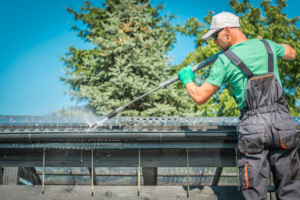
2. Using a Pressure Washer
Best for: Metal roofs, concrete tile, or heavily soiled surfaces
How it works: Using a pressure cleaner at the right pressure, you can remove moss, algae, and stains without risking damage the roof. Low pressure washing allows you to safely clean wet tiles and reduces the risk of cracking shingles or tiles.
Pros:
Fast and efficient
Ideal for stubborn moss buildup or algae
Cons:
Pressure too high can damage the roof, especially on delicate tiles
Requires a correct nozzle and technique
Tip: Always work your way from the top of the roof down and rinse thoroughly after applying cleaning products.
3. Manual Brushing
Best for: Small or steep roofs, delicate areas, or terracotta tiles
How it works: Using a soft brush with roof cleaning solutions or mild detergents, scrub moss and algae carefully. Manual brushing ensures you safely clean the roof without causing damage.
Pros:
Very precise and controlled
Minimal chemical use
Cons:
Labour-intensive
Time-consuming for larger roofs
Tip: Combine with a gentle rinse to remove all residues from the cleaning process.
4. Steam Cleaning
Best for: Sensitive areas with persistent algae, moss, or lichen
How it works: Steam cleaning uses high-temperature water vapour to loosen dirt and kill growths. It is chemical-free, making it safe for terracotta tiles and shingles.
Pros:
No harsh chemicals needed
Safe for fragile roofing surfaces
Cons:
Equipment can be costly
Slower than other methods
Tip: Steam cleaning works well for roofs near gardens or sensitive plants, as it avoids chemical runoff.
5. Chemical or Biocidal Roof Wash
Best for: Persistent moss, algae, or lichen on tile roofs or roofing shingles
How it works: Applying roof cleaning products, sometimes containing chlorine bleach or biodegradable chemicals, dissolves moss and algae. These solutions prevent creating a perfect breeding ground for further growth.
Pros:
Long-lasting results
Effective on heavily soiled surfaces
Cons:
Chemicals must be handled safely
Can harm nearby vegetation if not rinsed
Tip: Always rinse after chemical application and consider using a professional roof cleaning service to avoid risk.
Choosing the Best Cleaning Method for Your Type of Roof
Certain techniques work best on different roof materials. Here’s what we recommend:
Asphalt Shingles: Soft washing or low-pressure cleaning is safest; avoid high-pressure methods that can damage the roof
Tile Roofs & Terracotta Tiles: Soft washing or low-pressure with chemical cleaning products works best to remove moss and algae growth
Metal Roofs: Low-pressure or steam cleaning is ideal; always rinse thoroughly
Slate or Delicate Roofs: Manual brushing with mild detergents or roof cleaning solutions ensures the roof remains safe
The method you choose to clean a roof depends on its material, slope, and the extent of moss or algae buildup. Choosing the right technique helps avoid damage and ensures each roof material is treated correctly.
Safety Tips to Clean Your Roof Safely
Cleaning a roof can be risky. Ensure you follow these tips to safely clean your roof:
Inspect for damaged tiles or fragile shingles before starting
Use fall protection gear, harnesses, and stabilised ladders
Avoid cleaning on wet, icy, or windy days
Use eco-friendly roof cleaners or mild detergents to protect gardens
Start from the top and work your way down
Consider hiring a professional roof cleaner for steep roofs or extensive moss buildup
Regular cleaning not only enhances the life of your roof but also reduces the risk of costly damage.
DIY vs Professional Roof Cleaning
Deciding whether to clean your roof yourself depends on your roof’s size, slope, and the extent of moss and algae growth. For small, low, and lightly soiled roofs, DIY roof cleaning can be safe and effective using soft washing, low-pressure water, and mild roof cleaning solutions. Always start from the top, work your way down, and use proper safety gear.
However, if your roof is steep, large, or heavily covered in moss, lichen, or algae, DIY can be risky. Professional roof cleaners bring the right equipment and techniques to safely clean the roof without risking damage, and they can apply treatments to slow future moss buildup for longer-lasting results.
Inspect your roof first, if you can safely reach it and the growth is manageable, a DIY clean works. For tricky or heavily soiled roofs, hiring a professional is the safer, more reliable option.
Keeping Your Roof Healthy Year-Round
Regular roof maintenance prevents moss, algae, and lichen from creating a breeding ground for moisture and decay. Frequent cleaning helps the roof remain functional, reduces the risk of damaged tiles, and preserves the lifespan of your roof.
Understanding the cleaning process and using the right roof cleaning solutions is key to a clean, safe, and long-lasting roof. Contact us for professional roof cleaning service in Perth and Sydney!
FAQ – Roof Cleaning Advice for Homeowners
Can I clean my roof during winter or rainy seasons?
Cleaning roofs in wet, icy, or stormy conditions is not recommended. Slippery surfaces increase the risk of injury and may prevent proper cleaning. The best time is spring or early summer, when moss, algae, or lichen growth is visible and weather conditions are stable.
Does the roof slope affect the cleaning method I should use?
Yes. Steeper roofs may require manual brushing or soft washing, as high-pressure washing on a slope increases the risk of slipping and may cause damage to tiles or shingles. Safety equipment is essential.
How do I know if my roof needs professional cleaning or a DIY approach?
Consider professional cleaning if your roof is large, steep, or heavily covered in moss or algae. DIY cleaning may work for smaller, low-slope roofs with minor buildup, but professionals provide safety, proper chemicals, and thorough results.
What are the risks of using the wrong pressure when cleaning a roof?
Using excessive pressure can strip shingle granules, crack tiles, or dent metal roofs, leading to leaks and costly repairs. Low-pressure washing or soft washing is safer for most roof types.